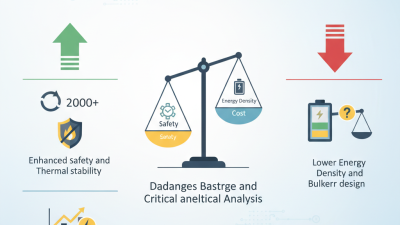
The Lifep04 Lithium Battery is really starting to catch on across a bunch of different uses, from powering electric cars to storing energy for renewables. More and more people are on the lookout for reliable and efficient power sources, so it’s pretty important to get a grasp on what this tech is all about. What sets the Lifep04 apart is its focus on safety and how long it lasts—definitely more impressive than your average traditional lithium-ion batteries. That said, not everyone’s in the loop about these advantages, and it can be a bit confusing trying to figure out all the technical stuff.
If you’re thinking about picking one up, beware—stuff like specifications and technical jargon can be a real headache. Sure, the Lifep04 offers solid performance, but investing in it isn’t a decision to take lightly. You’ll want to consider your needs, your budget, and whether it’s the right fit for you. Plus, with the market flooded with knock-offs and low-quality options, sourcing a genuine, high-quality battery can be tricky.
Of course, while Lifep04 batteries have a lot going for them, they aren’t perfect. For example, their charging times can vary, which might affect how you actually use them day-to-day. So, it’s worth thinking about whether this tech really matches what you need. Once you’re aware of both the pros and cons, you’ll be in a much better position to make a smart choice that genuinely helps with your energy setup.
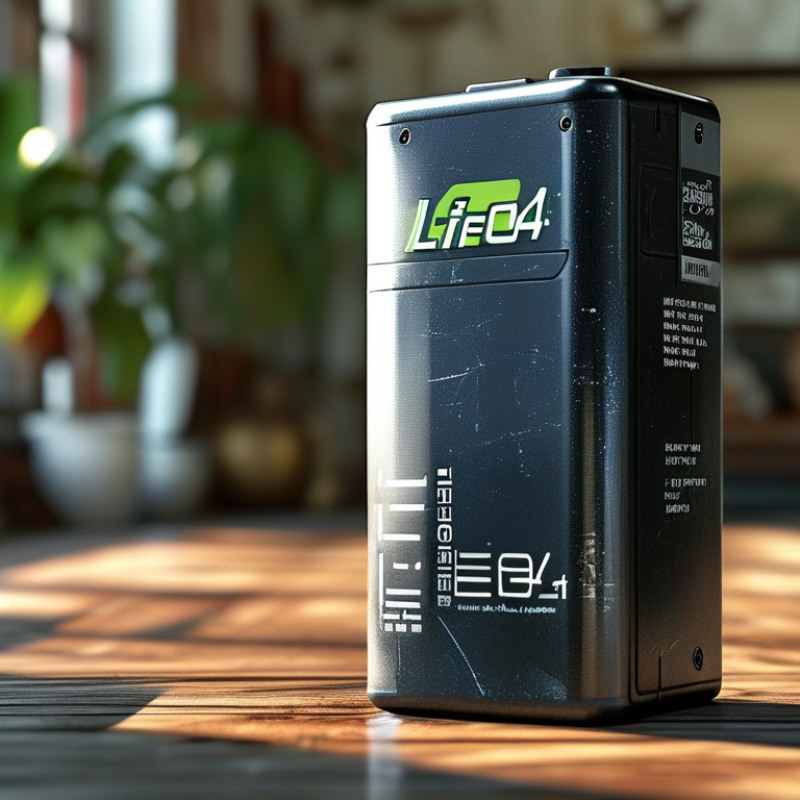
Overview of Lifepo4 Lithium Battery Technology
Lithium Iron Phosphate (LiFePO4) batteries are gaining attention for their unique advantages. Understanding this technology can aid in selecting the right energy solution. LiFePO4 batteries offer high thermal stability, making them safer than other lithium options. They generate less heat during charging and discharging, reducing the risk of fire.
These batteries have excellent cycle life. They can endure thousands of charge and discharge cycles with minimal degradation. This longevity makes them an appealing choice for various applications, from electric vehicles to renewable energy systems. However, their lower energy density when compared to other lithium-ion batteries means they require more space to deliver the same energy output.
Tip: Regularly monitor your LiFePO4 battery’s temperature. Keeping it within a safe range can extend its life significantly.
While LiFePO4 batteries are robust, they may not perform well in extremely low temperatures. This limitation could affect their use in colder climates. Users should consider environmental factors when selecting these batteries for outdoor applications.
Tip: Pair LiFePO4 batteries with efficient battery management systems. This pairing optimizes charging cycles and enhances performance.
Understanding the limitations and advantages of LiFePO4 technology is crucial. This battery type provides a reliable option for many, yet careful consideration of its applications is essential.
Overview of Lifepo4 Lithium Battery Technology
Key Advantages of Lifepo4 Lithium Batteries
LiFePO4 lithium batteries are gaining attention for their unique advantages. One standout feature is their safety. Unlike other lithium batteries, they are less prone to overheating or catching fire. This makes them a reliable choice for various applications, from electric vehicles to renewable energy systems.
Another key advantage of the LiFePO4 battery is its longevity. These batteries can last over 2000 charge cycles. This is significantly longer than traditional lithium-ion batteries, making them a cost-effective option in the long run. Their ability to withstand deep discharges without damage further enhances their practicality.
However, it is essential to recognize that LiFePO4 batteries have limitations. They generally offer a lower energy density than some conventional lithium-ion alternatives. This means they might take up more space for the same energy output. Understanding these trade-offs is crucial when considering the use of LiFePO4 batteries in your projects.
What You Need to Know About Lifepo4 Lithium Battery - Key Advantages of Lifepo4 Lithium Batteries
| Dimension | Details |
| Chemistry | Lithium Iron Phosphate (LiFePO4) |
| Cycle Life | 2000 - 5000 cycles |
| Energy Density | 90-160 Wh/kg |
| Charging Time | 4-6 hours |
| Operating Temperature | -20°C to 60°C (-4°F to 140°F) |
| Safety | Non-toxic, stable thermal behavior |
| Applications | Solar energy storage, electric vehicles, portable power |
| Cost per kWh | Lower compared to other lithium batteries |
| Environmental Impact | Recyclable, less harmful raw materials |
Common Applications of Lifepo4 Lithium Batteries
Lithium iron phosphate (LiFePO4) batteries have gained popularity due to their unique advantages. They are widely used in various applications, thanks to their stability and safety features. One common area is electric vehicles. These batteries offer high power output, which is essential for vehicle performance. They also have a longer lifespan compared to traditional batteries. This longevity makes them a cost-effective choice for consumers.
Another significant application is renewable energy storage. Homeowners use LiFePO4 batteries to store energy from solar panels. This setup allows them to utilize solar energy even when the sun isn’t shining. The batteries efficiently store electricity, ensuring that energy is available when needed. Installing these systems can lead to great savings on energy bills.
However, there are challenges to consider. The initial cost can be higher than other battery types. The charging process must be managed carefully to maximize lifespan. Awareness of these factors is crucial, especially for businesses looking to invest in these technologies. Thoughtful decision-making will lead to better outcomes in the long run.
Safety Features and Concerns of Lifepo4 Technology
LiFePO4 lithium batteries have gained traction for their safety features, making them a popular choice in various applications. One key aspect is thermal stability. A report from the Journal of Power Sources indicates that LiFePO4 batteries can withstand higher temperatures without catching fire. This characteristic significantly reduces the risk of thermal runaway, a critical concern in other lithium-ion technologies.
Another important safety feature is the battery's chemical composition. LiFePO4 is less reactive than other lithium batteries. According to the National Renewable Energy Laboratory, this makes them inherently safer. The cobalt-free structure minimizes the chances of toxic leaks. However, it's essential to note that while LiFePO4 batteries have a lower risk profile, proper usage guidelines still apply. Overcharging or using faulty chargers can still lead to hazards.
Despite these advantages, there are concerns. Manufacturers must ensure quality control and uniformity in production. Variability in battery performance can lead to safety issues. Moreover, while they are robust, LiFePO4 batteries may have a lower energy density compared to other lithium batteries. This can limit their applications. As the industry evolves, continuous improvement in safety standards is vital. Addressing these challenges remains crucial for widespread acceptance.
Comparison with Other Lithium Battery Chemistries
When comparing Lifep04 lithium batteries with other lithium chemistries, several clear distinctions arise. Lifep04 3.2 V batteries offer higher thermal stability and safety compared to lithium cobalt oxide batteries. They are less prone to overheating, making them suitable for various applications, such as renewable energy storage. The chemistry of Lifep04 contributes to a longer cycle life, generally lasting over 2000 cycles, which is a substantial advantage.
However, Lifep04 batteries do have lower energy density than some alternatives. This means they may require more space to store the same amount of energy as lithium nickel manganese cobalt oxide batteries. Users often encounter this issue in compact applications. It’s worth reflecting on the balance between energy density and safety when choosing the right battery for your needs.
Tips: Always check the specifications before making a purchase. Understanding the differences can help you make a more informed choice. Consider your requirements carefully. The long life of Lifep04 3.2 V batteries makes them an attractive option for those willing to invest correctly.
Charging and Discharging Characteristics of Lifepo4 Batteries
LiFePO4 batteries, known for their stability and safety, have unique charging and discharging characteristics. They can charge and discharge efficiently without significant heat generation. This makes them ideal for various applications, including renewable energy systems. A Lifep04 Solar Battery provides consistent performance, often used for solar energy storage.
When charging, the Lifep04 battery reaches maximum capacity quickly. The ideal charging voltage is around 3.6 to 3.65 volts per cell. Rapid charging can be tempting but may lead to reduced lifespan. Users must consider this aspect. Discharge rates are also critical. These batteries can handle a high discharge current, making them suitable for high-demand gadgets. However, frequent deep discharges could affect longevity.
Monitoring the state of charge is essential. It's advisable not to let the battery fall below 20% capacity. Many users neglect this, leading to potential performance issues. Regularly assessing charge cycles can not only enhance reliability but also extend battery life. While LiFePO4 batteries are durable, understanding their charging and discharging nuances is vital for optimal performance.
Future Trends in Lifepo4 Battery Development and Usage
The future of Lifepo4 battery technology looks promising. Researchers are focusing on enhancing energy density. This will improve the Lifep04 100ah Battery's performance for various applications. A higher energy density means longer usage times. Such advancements can benefit electric vehicles significantly.
There’s a rising interest in eco-friendly materials. This shift is crucial for sustainable battery production. Companies are exploring innovative recycling methods. It is vital to address battery waste effectively. Yet, challenges remain in scaling production while maintaining quality. Industry experts highlight the importance of standardizing manufacturing processes.
Adoption is steadily increasing across sectors. However, awareness is still limited among consumers. Many remain uncertain about Lifepo4 battery benefits. Educational initiatives could bridge this gap. The potential for Lifepo4 100ah batteries in renewable energy storage is immense. Combining expertise with innovation will drive the industry forward.
Maximizing Energy Efficiency with ZESE SNT08: A Comprehensive Guide to the 10KWh Residential Lithium Battery Solution
The ZESE SNT08 is at the forefront of residential energy efficiency, offering an exceptional energy capacity of 9984Wh through its advanced lithium iron phosphate cells. This makes it an ideal solution for reliable energy storage in various applications, particularly for renewable energy systems where consistent performance is essential. With its capacity, the SNT08 not only supports household energy needs but also aligns with a sustainable approach to energy consumption.
One of the standout features of the SNT08 is its versatility in charging and discharging options. It provides a standard charging current of 100A and an adjustable discharge current that can reach up to 105A, allowing users to customize their energy management according to specific demands. This flexibility is crucial for both residential consumers and businesses that require an adaptable energy solution. Furthermore, the robust design of the SNT08, with an IP55 protection rating, ensures that it can endure challenging environments while maintaining longevity with up to 4000 cycles.
In conclusion, the SNT08 exemplifies a well-rounded residential battery solution that manages energy efficiently while promoting sustainability. Its combination of capacity, adaptability, and durable design makes it a preferred choice for those looking to optimize their energy systems and minimize reliance on traditional power sources.
FAQS
: LiFePO4 batteries offer thermal stability and a less reactive chemical composition, reducing fire risks.
No, they withstand higher temperatures without catching fire, reducing thermal runaway risks.
Yes, overcharging or using faulty chargers can pose hazards, even though they are inherently safer.
Use an ideal voltage of 3.6 to 3.65 volts per cell for charging.
Rapid charging and frequent deep discharges can negatively impact the battery's longevity.
Regular monitoring is crucial. Avoid letting it drop below 20% capacity.
Quality control issues can lead to variability in performance and safety.
Lower energy density may limit their applications compared to other lithium battery types.
Regularly assess charge cycles and avoid deep discharges to enhance reliability.
Many users ignore the importance of monitoring charge levels, affecting performance.
Conclusion
The Lifep04 Lithium Battery represents a significant advancement in battery technology, known for its numerous advantages such as longer lifespan, thermal stability, and enhanced safety features. Unlike other lithium battery chemistries, Lifep04 batteries offer a higher tolerance to extreme temperatures and greater resistance to thermal runaway, making them a more reliable choice for various applications, including electric vehicles, renewable energy storage, and consumer electronics.
Furthermore, the charging and discharging characteristics of Lifep04 Lithium Batteries ensure efficient energy use, allowing for quicker recharge times and sustained power output. As the demand for sustainable energy solutions grows, future trends indicate an increased focus on optimizing Lifep04 technology, enhancing performance, and expanding its applications in energy systems. With its inherent advantages, the Lifep04 Lithium Battery is positioned to play a pivotal role in the future of battery technology.


 Whatsapp

 WeChat